Layered Echoes: Environmental Audio Design Driving Tactical Choices in Casual Web Strategy Puzzles
Written by Eden Neumann · May 29, 2026
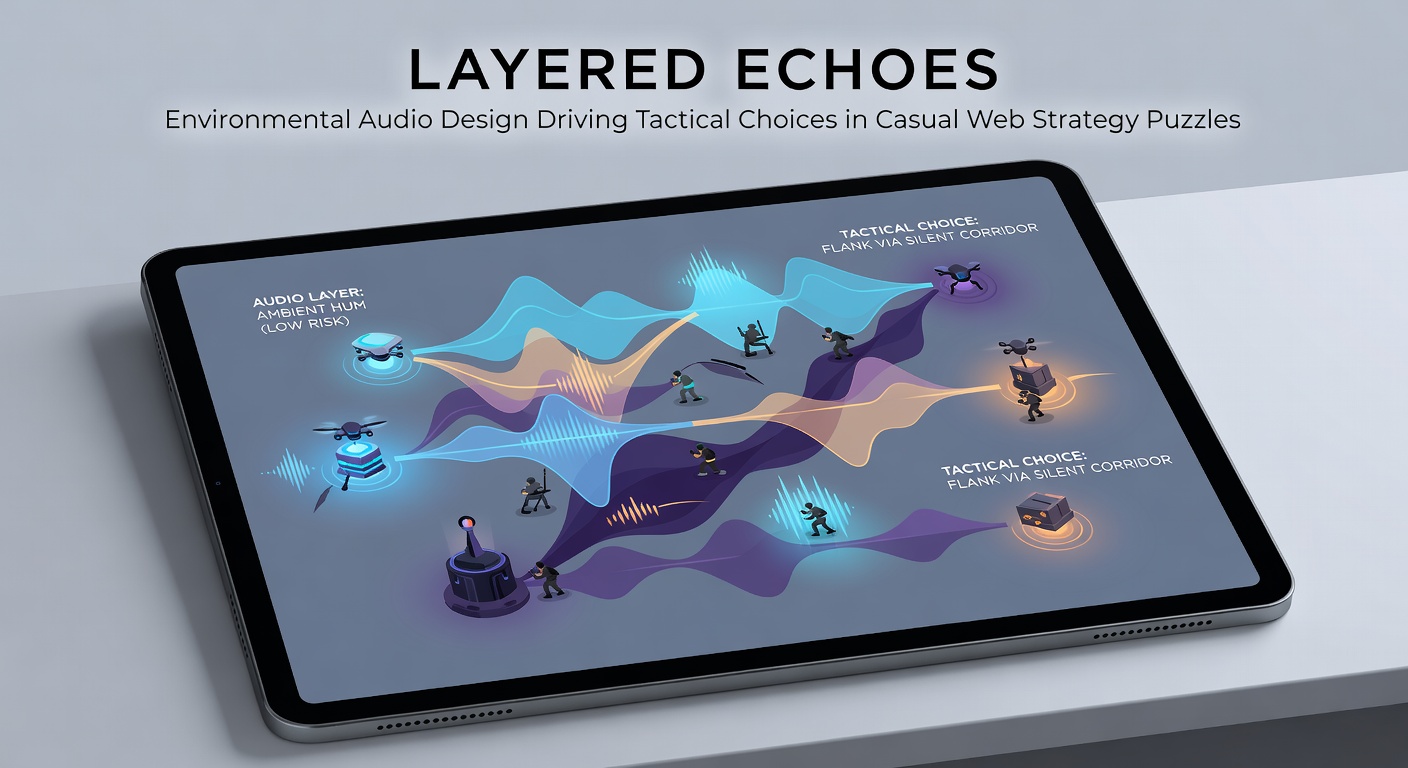
Layered Echoes: Environmental Audio Design Driving Tactical Choices in Casual Web Strategy Puzzles
Environmental audio layers have become central components in casual web strategy puzzles where ambient sounds, spatial echoes, and dynamic audio cues shape player decisions during each turn. These designs operate through browser technologies that deliver real-time sound adjustments based on board states and resource placements, allowing participants to interpret tactical opportunities through auditory signals rather than relying solely on visual indicators.
Mechanics of Layered Sound in Browser Environments
Web-based strategy puzzles often employ multiple audio tracks that blend environmental elements such as wind patterns, structural resonances, and resource interactions into cohesive soundscapes. Developers build these systems using HTML5 audio APIs that permit overlapping tracks with variable volumes and filters, which respond to in-game events like unit movements or terrain modifications. Data from industry reports indicates that games incorporating such layered audio see increased session durations as players adjust strategies according to auditory feedback patterns.
Sound propagation models simulate distance and obstacles within puzzle grids, creating echoes that reveal hidden connections between elements on the board. For instance a distant rumble might signal an impending resource shift several moves ahead, prompting players to reposition assets preemptively. These mechanics integrate with core puzzle rules where timing and positioning determine outcomes, and audio serves as an additional data channel that reduces cognitive load on visual processing.
Tactical Adjustments Driven by Audio Cues
Players in these titles frequently alter their approaches when environmental sounds intensify or shift in pitch, which communicates changes in game state more efficiently than text notifications alone. Studies on digital game interfaces show that auditory layering supports quicker recognition of threats or opportunities in multiplayer casual formats, where simultaneous actions demand split-second coordination. Observers note that participants develop personal heuristics based on recurring sound motifs, such as associating specific echo patterns with optimal defensive formations.
Resource management decisions gain depth through audio differentiation, where distinct environmental tones mark high-value versus low-risk placements. A sharp metallic clink might indicate a successful chain reaction setup, while muffled tones warn against overcrowded zones that could trigger penalties. This system encourages experimentation within safe browser sessions, as repeated plays allow refinement of audio-based tactics without external guides.
Implementation Trends Observed in 2026
By May 2026 browser game platforms had expanded support for advanced audio processing through updated Web Audio standards, enabling finer control over reverb and occlusion effects in strategy puzzles. Figures from the Entertainment Software Association reveal steady growth in titles that prioritize environmental sound design, with many casual entries featuring adaptive layers that scale according to device capabilities. Entertainment Software Association reports highlight how these features contribute to accessibility improvements, allowing players with varying visual attention spans to engage through sound alone.
Integration with cloud-based asset delivery ensures consistent audio performance across different network conditions, which maintains tactical consistency during extended play sessions. Researchers at institutions such as the University of Melbourne have documented cases where audio-driven mechanics led to measurable differences in win rates among tested user groups, particularly in puzzles involving hidden information or probabilistic outcomes.
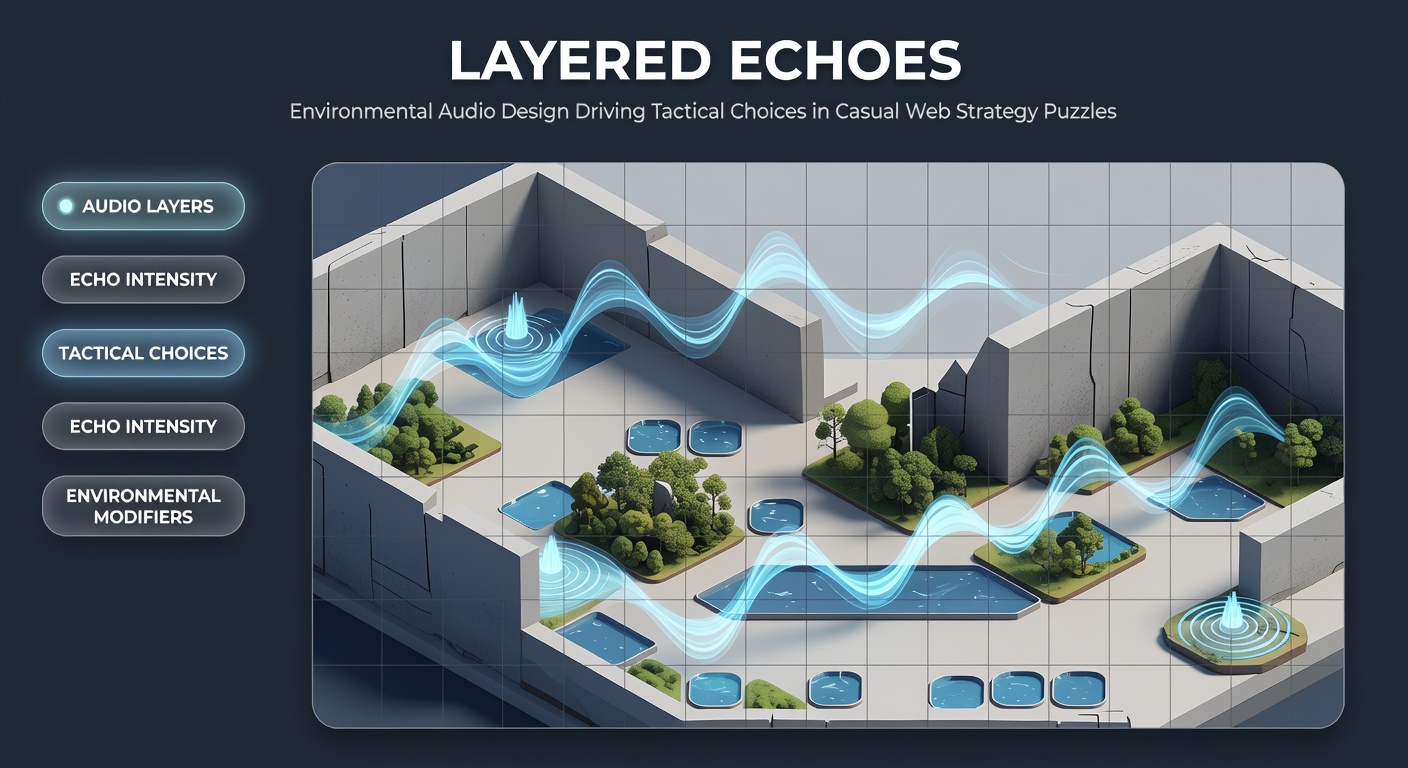
Case Examples from Current Web Platforms
One documented approach appears in puzzle frameworks where terrain types produce unique acoustic signatures that players learn to map mentally over multiple rounds. A forested area might generate layered rustling that masks approaching units, forcing adjustments in attack timing, whereas open zones deliver clearer echoes that support aggressive expansions. These patterns emerge naturally through gameplay repetition and align with broader trends in casual strategy titles hosted on free browser portals.
Another instance involves collaborative modes where shared environmental audio streams synchronize team decisions, such as coordinating builds around a central echo source that signals collective scoring opportunities. Data collected across various platforms shows participants using these cues to form emergent strategies that evolve beyond initial tutorial instructions, creating varied playstyles within the same rule set.
Technical Considerations for Audio Layering
Developers balance audio complexity against browser performance constraints by employing modular sound banks that load progressively during play. Compression techniques preserve spatial qualities while minimizing latency, which proves essential in fast-paced strategy sequences where delayed feedback could disrupt tactical flow. Those who've examined these implementations note that successful designs prioritize clarity in key cues over full realism, ensuring the audio remains functional even on lower-end hardware.
Testing protocols often include evaluations of how different environmental layers affect decision accuracy, with results guiding iterative refinements to volume curves and frequency ranges. This process supports sustained engagement as players encounter new puzzle configurations that build upon established audio associations.
Conclusion
Layered environmental audio continues to expand its role in casual web strategy puzzles by providing distinct pathways for tactical information delivery. As browser capabilities advance through 2026 and beyond, these systems integrate more deeply with core mechanics, offering players additional dimensions for strategic planning. Evidence from multiple studies and industry sources confirms that such designs enhance accessibility and depth without altering fundamental puzzle structures.