Interface Animations Steering Split-Second Choices Across Mixed-Genre Browser Hybrids
Written by Morgan Krause · Aug 2, 2026
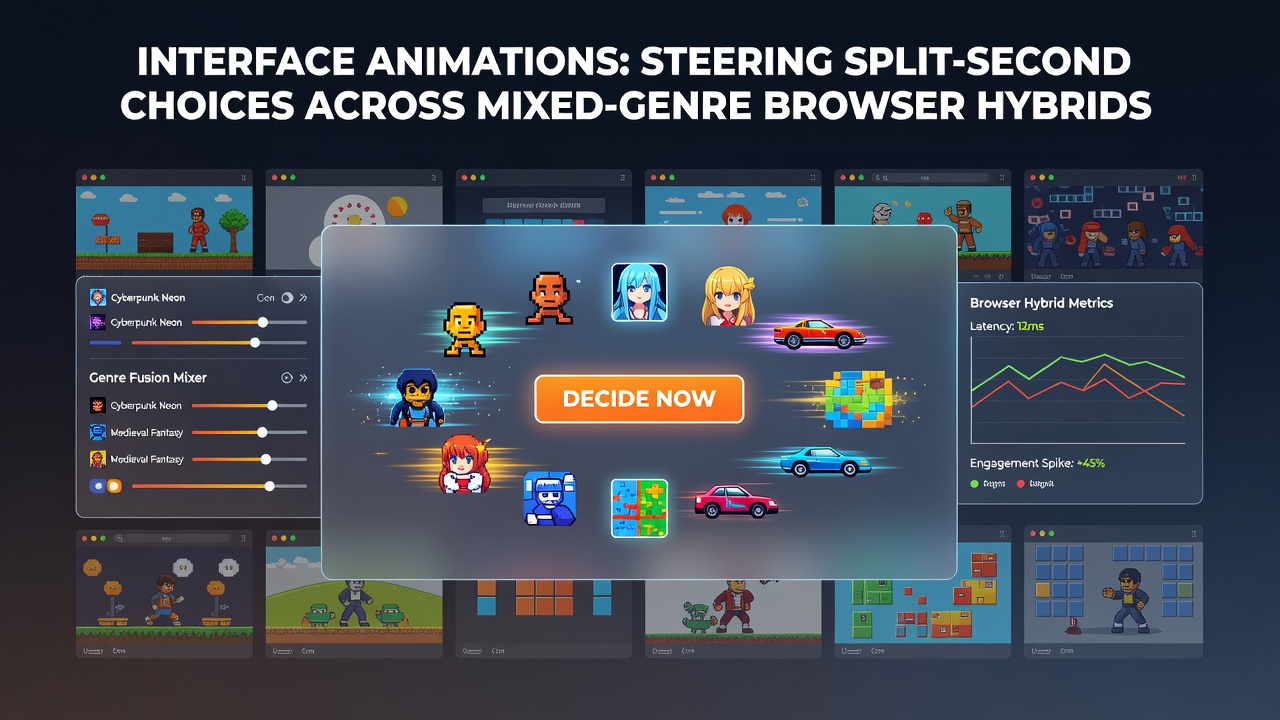
Interface Animations Steering Split-Second Choices Across Mixed-Genre Browser Hybrids
Interface animations have become central to how players navigate rapid decisions in browser-based games that combine elements of action, puzzle, and strategy. These visual sequences provide timing cues, highlight available options, and signal state changes without requiring players to pause and read text. Data from industry tracking through August 2026 indicates that hybrid titles hosted on web platforms continue to rely on animation timing to manage player attention across multiple mechanics operating simultaneously.
Animation Timing and Decision Velocity
Developers program interface elements to expand, contract, or shift color at specific intervals, and these movements directly affect how quickly users select moves in combined-genre environments. Researchers examining web multiplayer sessions have measured response intervals when animations appear at different speeds, noting that shorter animation loops often correlate with faster collective actions in shared strategy layers. Observers note that animation duration serves as an implicit clock, helping players synchronize choices across arcade-style reflexes and puzzle-based planning without separate timers on screen.
Studies from the Entertainment Software Association reveal that browser hybrids released in recent years incorporate animation sequences lasting between 200 and 800 milliseconds for most feedback elements, a range that aligns with typical human reaction windows in mixed-mechanic play. When these sequences overlap with randomized events, players adjust their decision trees in real time, shifting from immediate action responses to longer-term resource considerations within the same session.
Cross-Genre Visual Cues in Browser Environments
Mixed-genre browser games present unique challenges because a single screen must convey information for both fast-paced combat sequences and deliberate puzzle solving. Animations bridge this gap by using consistent motion language across different systems. A pulsing highlight on a resource node, for instance, can signal both an immediate collection opportunity in an action context and a strategic placement choice in a puzzle layer. Those who have analyzed session logs report that consistent animation styles reduce the cognitive load when players switch between mechanics mid-round.
According to reports from the Interactive Software Federation of Europe, European studios developing HTML5 titles have documented how animation layering influences group coordination in multiplayer hybrids. Teams working on shared objectives often follow the same visual rhythms, and synchronized interface movements help maintain alignment when one player executes an arcade maneuver while another manages strategic positioning.
Feedback Loops and Split-Second Adjustments
Animation sequences also function as error correction tools during play. When a player commits to an action that conflicts with current board state, a brief reversal animation or color shift communicates the mismatch faster than any text prompt could. This immediate visual response allows correction within the same decision window rather than after the fact. Data patterns collected from repeated engagement sessions show that titles employing these reactive animations maintain higher completion rates in hybrid formats compared to those relying solely on static indicators.
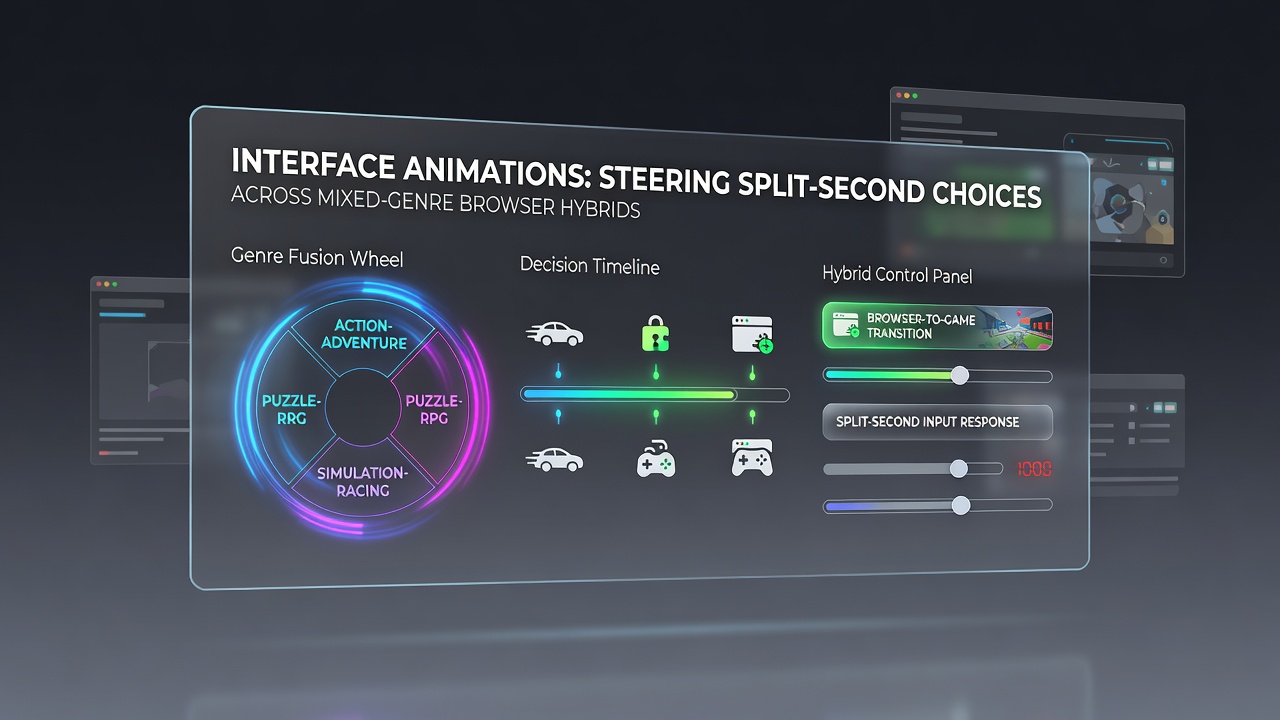
University research groups in Australia have examined how animation speed affects collective strategies when randomized events occur. Their findings indicate that moderate animation pacing gives players enough time to register changes across multiple interface panels while still preserving the urgency required for action components. Faster animations tend to favor players already familiar with the mechanics, whereas slightly extended sequences support broader participation in mixed-audience browser environments.
Technical Implementation Across Platforms
Browser constraints require animation systems to remain lightweight, so developers often combine CSS transitions with limited JavaScript timing rather than full canvas sequences. This approach ensures consistent performance across devices while still delivering the visual information needed for split-second choices. Industry organizations tracking web game metrics have recorded steady adoption of these hybrid animation techniques through 2026, particularly in titles that blend arcade speed with strategic depth.
Network latency adds another variable because delayed animation playback can disrupt the intended timing cues. Mitigation strategies documented in technical papers include predictive rendering of interface states and client-side buffering of animation triggers. These methods help maintain the connection between visual feedback and player response even when connection quality varies.
Conclusion
Interface animations continue to shape how players process information and execute choices in mixed-genre browser hybrids. Their timing, layering, and feedback functions operate across action, puzzle, and strategy layers without requiring separate UI systems for each mechanic. Data gathered through August 2026 and ongoing research from multiple regions confirm that these visual elements remain a core component of decision-making architecture in web-accessible casual titles.